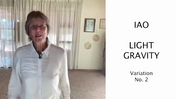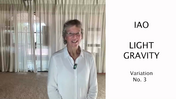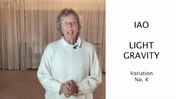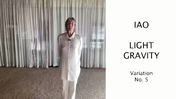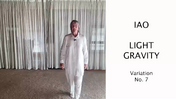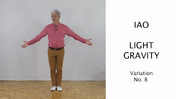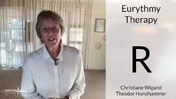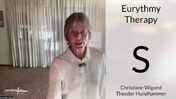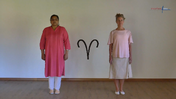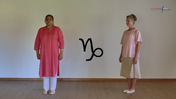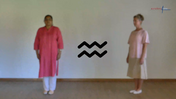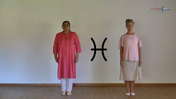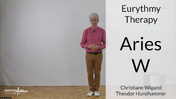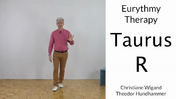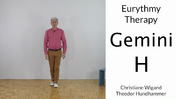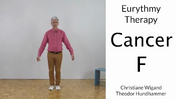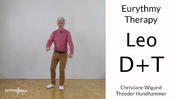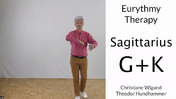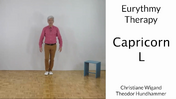
Yes, wonderful, so welcome back.
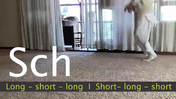
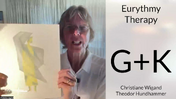
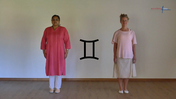
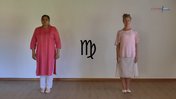
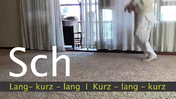
So now we come to Gemini and to And if you do with class eight or class nine children, they will all dissolve.
They will all dissolve laughing immediately.
Yes, so you just need to do.
I'm showing you another sound that is called and they all laugh so much and they all lie on the floor and they are all outside the classroom and you've lost them.
So just be very careful with with teenagers.
So the We can try and do it in three different rounds, but I ask you this time now, you always see me with my feet together, but this time we put our feet a little bit apart.
So now we just take the downwards.
And we just feel that we move into our will and relax So that we are just moving downwards and breathe out.
So once more time, just down.
And then we can do it also into the middle.
So we just widen ourselves.
And we end up in a big love gesture almost.
So we just move out.
And we can move up and out.
And.
Yeah, so now how do you do that with the feet?
The feet are bound to the ground, so it's not so easy to do it with the feet.
And Rudolf Steiner first says, oh yeah, you just do jumps, but then, yeah, just do jumps, jumps, jumps, jumps.
But then he says, oh no, no, just go slowly, slow jumps.
So now we stand and we do a slow jump.
So how do you jump slowly?
You stay in the air.
And what is necessary for the jump with the that you have very live feet and knees, so that they can catch you, that you don't just land like hard on the ground.
So we just need to be very, very soft with our feet and with our knees.
Yes, because we don't want to have shaken our brain or something.
Slowly and And then he says no, you go like walking, you jump like walking, so how do you jump like walking?
So now we can try to do two steps and then we jump.
One, two, jump.
One, two, jump.
One, two, jump.
One, two, jump.
So like walking, very lightly and nothing wrong with that kind of.
Once more, One, two, jump.
One, two, jump.
Turn around.
One, two, jump.
And one, two, jump.
So you can feel one needs to be really soft with one's knees and feet.
And now there's a special application in neurrhythmia therapy and that is you take your feet slightly apart and you are not jumping, you are jumping, but you are not jumping.
So you are just like sinking into your legs.
So just like this.
And that is an indication if you have stomach cramps.
So if you have stomach cramps, you are cramping here.
So now he wants to take the cramp further down.
So if you now take the emphasis into your thighs, then the cramps from the stomach will just go away, because now suddenly you're cramping in the thighs and that you can loosen again quickly.
But in the stomach you can't.
So you just go like this.
And you end up with your feet.
I'll show you from the side that you're standing on your front foot and you have your heels up.
That's how you end.
Yes, and you will feel you have quite a lot of tension in your thighs.
So you open the legs a little bit and you just sink into the thighs.
And now what you do with your stomach and your belly is like You just let go as if you have a belly like a bear, yes?
Big, just big, make it big and you can maybe feel immediately that any tension that is here, you just drop.
So let's do once more.
And a little step forward and And a little step forward.
So this movement can take away stomach aches very quickly.
In children sometimes I need to do it three times and their stomach cramps are gone.
So it's really, they can come to me in break time or out of class or whatever and immediately their stomach is fine again.
But now we help it a little bit with the arms.
So we start at our sternum and we sink down with the so called jump and we open a little bit to the ground.
And step.
Step.
Lovely, so don't feel that you have to hold your stomach here this time, but you really let go of it and you can feel that this is immediately releasing the holding of the stomach or the cramps if they might be there.
So then, we just have one last one and that is now a that one does with children who need joy, who just need to do something that is fun.
So sometimes I put rods into the classroom and I say, just think this is a river and you have to jump over the river and with a big jump and your arms are doing into the air and you jump over that river.
So with children it's a lovely thing to do at the end of a lesson.
So you go like this.
And the children love that.
It brings a lot of joy.
It brings a lot of laughter and they really are all out in the air and you can do it in a row and one child after the next and then they all leave the arrhythmia in an upbeat.
They come to their next class and they're all happy.
Good, I think that is about the There's one question that I had and that is we know that we have the moving out and we also have the that's moving in.
And I even found a poem by Rudolf Steiner where I felt one can really use both and the heart that's moving out is that I become transparent, I become light, I become light filled, I dissolve.
Very luciferic sound, yes?
And then there's this other movement that I come in and that I connect with myself.
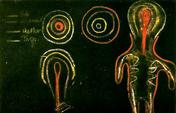
So we can use those three spheres now to go through this poem.
May wisdom shine through me.
May love glow in me.
May strength permeate me, that in me may arise a helper of mankind, a server of holy things, selfless and true.
So there we have both movements that one also connects again with oneself and doesn't dissolve oneself only.
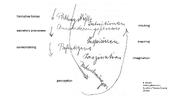
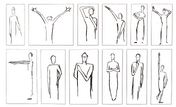
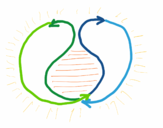
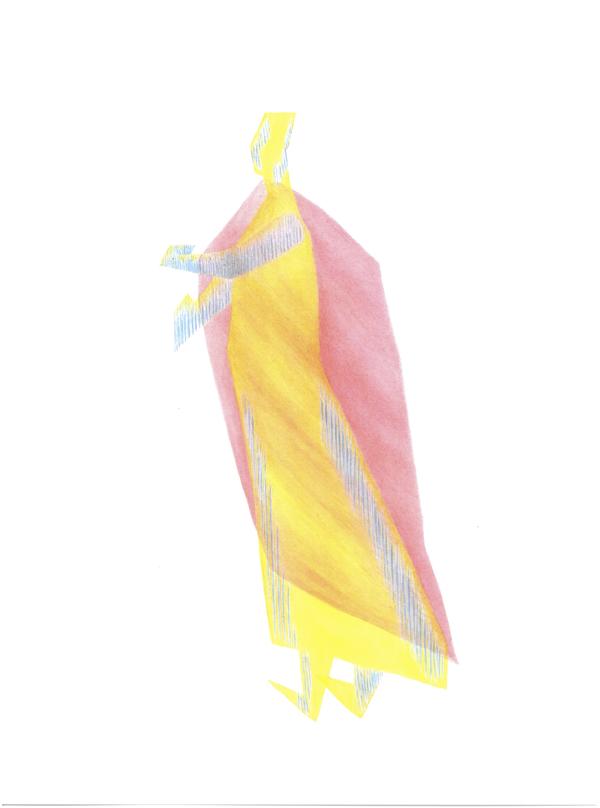
And if you look at the figure, usually Ruller Steiner shows the figure in his end form.
Then you can see it's actually inward, it's not outward, it's not there.
It's actually this togetherness.
So I think that's also important that one has both these aspects from the When you go like this, so I'm standing like this, yes, and you go into the into the into this sinking down, you just go into the front foot.
It's not toes, it's just the front foot so that there is a lot of tension in the thigh and you can still stand on it, you know, you can still stand like this.
Yeah, it's not like toes.
It's just the whole front foot so that you still have a good grip on the earth.
And here's a lot of tension.
And that relaxes and this tension takes away this tension.
That's the idea.