Course Content
Описание

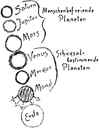
Сатурн, Юпитер, Марс (планеты, освобождающие человека) — Венера, Меркурий, Луна (планеты, определяющие судьбу) — Земля
Рисунок из лекции Рудольфа Штайнера
ПЛАНЕТАРНЫЕ ДВИЖЕНИЯ В ЭВРИТМИИ
Гленда Монаш, «Звуковой круг» в эвритмии
Скачать PDF на английском внизу этой страницы
СОЛНЦЕ: человек как целостность
ВЕНЕРА: человек в аспекте жертвенной любви
МЕРКУРИЙ: аспект эгоизма
ЛУНА: способность к творению
МАРС: агрессивное начало
ЮПИТЕР: деятельность, возникающая из мудрости
САТУРН: глубокое созерцание
СОЛНЦЕ: человек как целостность
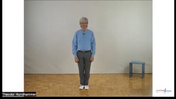
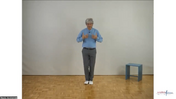
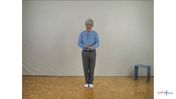
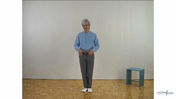
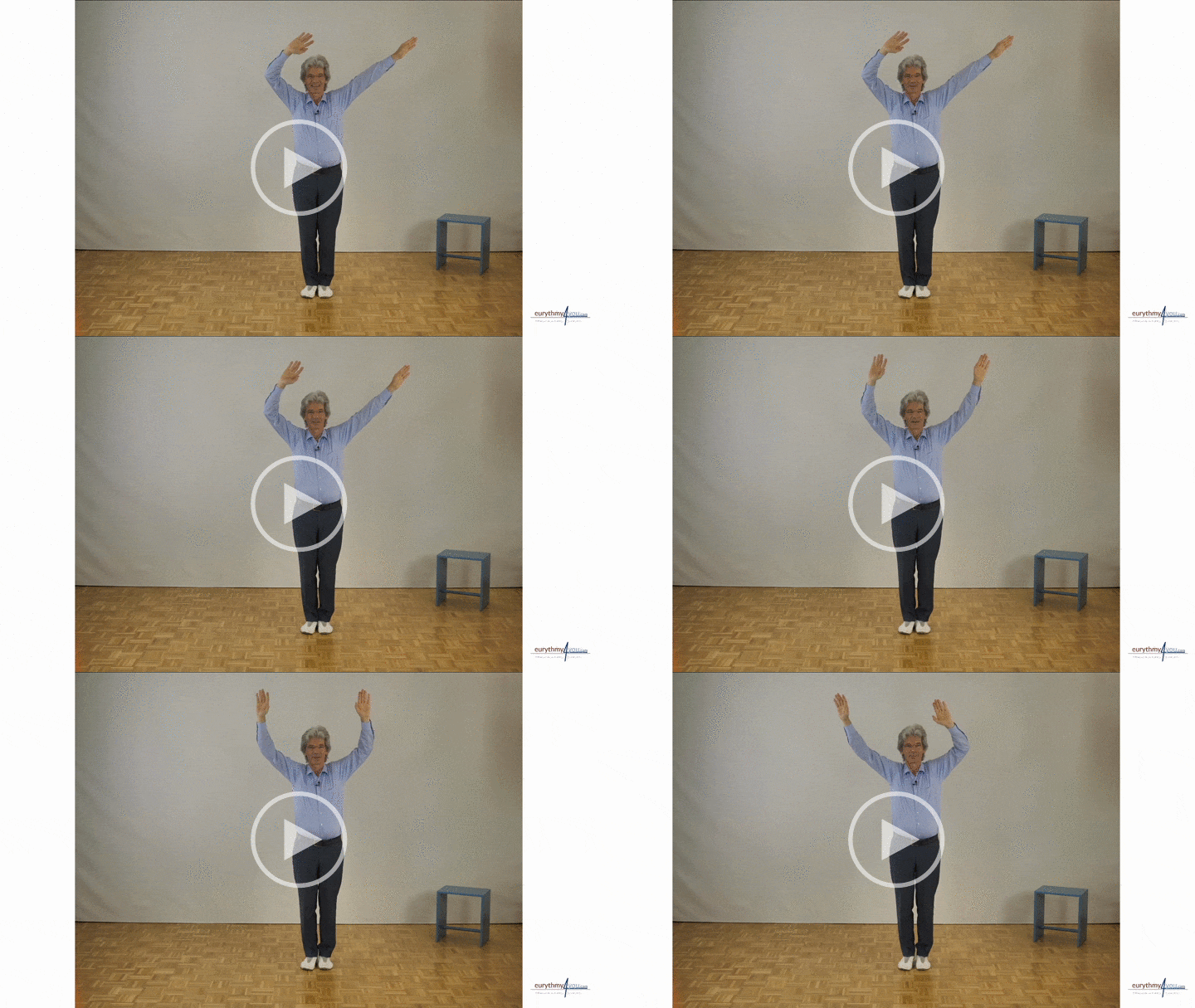
Эвритмист стоит прямо; правая рука поднята выше горизонтальной линии, а левая опущена, так что обе руки образуют лёгкую диагональ: правая направлена вперёд, левая — назад. Затем руки совершают величественное, текучее круговое движение. Правая рука движется по часовой стрелке, а левая — против часовой стрелки.
Здесь все направления пространства охватываются этим сияющим движением, которое дышит подобно тому, как дышит человек. Центр, через который проходит это движение, свободно течёт, отдавая и принимая.
О самом Солнце Рудольф Штайнер говорит: «Сила, которая изливается от Солнца, — это та же сила, которая течёт от сердца к сердцу, тёплая оживляющая сила любви. Внутри нас мы несём образ струящихся сил Солнца — в движении нашей крови. Кровь течёт к сердцу, там испаряется в тонкую и нежную форму, а затем продолжает своё течение.”
Это движение крови в её неустанном течении является солнечной сферой в нашей организации и циркулирует в форме лемнискаты через «око» сердца, когда движутся руки. Поскольку эвритмическое движение, данное для Солнца, охватывает все направления пространства — вверх, вниз, вперёд, назад, влево и вправо — и циркулирует по диагонали, движение проходит через центр тела, сердце и ритмический центр, создавая форму лемнискаты. Именно поэтому оно описывается как «человек как целостность».
ВЕНЕРА: человек в аспекте жертвенной любви
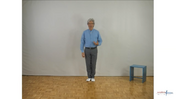
Переходя далее к движению Венеры, правая рука опускается до уровня груди, кисть остаётся открытой, слегка округлённой, принимающей. То, что воспринимается, проходит через сердце в левую руку, которая движется по кругу сзади (как и в движении Солнца), преобразуя всё, что воспринимает слушающая рука.
Рудольф Штайнер описывает Венеру как безмолвно и бескорыстно слушающую, особенно всё то, что переживает поэт, и в этом тихом внимательном слушании помогающую преобразовать все впечатления в слово — образное, наполненное силой и вызывающее внутренние образы.
В эвритмическом движении Венеры человек подобен сосуду, принимающему то, что ему даётся, а затем, проводя это через сердце, преобразует его в невидимом мире позади себя, чтобы снова пропустить через сердце и вывести наружу через открытую руку и кисть в бескорыстном дарении, в любящей жертве.
Внутренние и внешние соединения Венеры с Солнцем происходят 5 раз за 8 лет, описывая во времени вокруг Земли форму розы. Органом тела, который особенно связан с Венерой, является почка; внутри этих органов находятся маленькие сосуды, имеющие форму роз, которые в немецкой медицинской терминологии называются «Rosen».
ЮПИТЕР: деятельность, возникающая из мудрости
Часто человек переживает состояние, когда сложная проблема словно тянет его в разные стороны. После того как он «переспит с ней», проблема каким-то образом решается или растворяется; существенные моменты становятся ясными, путь к действию проявляется сам собой — что-то сдвинулось с места. Это работа Юпитера, поскольку он приводит наше мышление в движение, помогает нам принять мудрость внутрь себя.
Эвритмическое движение, данное для этой планеты, удерживает левую руку неподвижной (со стороны сердца), при этом рука и кисть слегка согнуты внутрь, по направлению к солнечному сплетению. Вокруг этого неподвижного, удерживаемого центра вращается правая рука. Кисть открыта и воспринимает; круговое движение то поднимается, то опускается, попеременно выходя наружу и возвращаясь обратно.
Под воздействием сил Юпитера формируется печень. Большинство процессов этого органа происходит ночью. Его силы — питающие и воплощающие — каждое утро возвращают нас обновлёнными, наполненными огнём воли для начала нового дня.
Эвритмическое движение Юпитера описывается как деятельность, возникающая из мудрости: это спокойный центр, вокруг которого человек движется, обходит его, окружает его и прислушивается ко всем точкам зрения, сохраняя центр, оставаясь в движении, преобразуя через движение.
САТУРН: глубокое созерцание
Последнее движение — движение Сатурна — соединяет обе руки: открытая правая рука ложится поверх левой на изгибе лба. Затем руки медленно опускаются вниз к солнечному сплетению и снова поднимаются ко лбу длинными, медленными, плавными и равномерными движениями, подобными движению забрала шлема, создавая настроение глубокого созерцания.
Сатурн — самая дальняя планета; за его порогом человек вступает в космос. В своём медленном, размеренном движении, в своих длинных ритмах он является хранителем всех событий с самого начала истории Земли. Он держит время в своих руках.
Поскольку Сатурн несёт память о зародыше нашего начала, он также пробуждает в нас способность овладеть той формой, которая развивалась во времени и через различные стадии развития Земли. Он пробуждает в нас движения, ведущие к вертикальности. Мы стоим прямо не только благодаря нашему скелету, но и благодаря его деятельности внутри нас, благодаря которой мы поднимаемся из горизонтальной плоскости животных в вертикальное положение, находясь между небом и землёй.
Эвритмическое движение Сатурна полностью вертикально и выражает человека, обращённого внутрь себя, вмещающего всё, что было прежде, глубоко размышляющего и созерцающего.
Источники
Рудольф Штайнер: «Эвритмия как видимая речь», GA 279, лекция 10.
Рудольф Штайнер: «Духовные индивидуальности планет», GA 228, 27 июля 1923 года.
Гленда Монаш: «Планетарные движения в эвритмии», журнал «The Golden Blade», 1988 — антропософский журнал Великобритании.
Saturn, Jupiter, Mars (man-liberating planets) - Venus, Mercury, Moon (destiny-determining planets) - Earth
Drawing from a lecture by Rudolf Steiner
THE PLANETARY MOVEMENTS IN EURYTHMY
Glenda Monasch, Sound Circle Eurythmy
Download PDF at the bottom of this page
SUN: the human being in entirety
VENUS: the human being in the aspect of loving sacrifice
MERCURY: the aspect of egoism
MOON: capacity for creation
MARS: aggressive element
JUPITER: activity arising out of wisdom
SATURN: deep contemplation
SUN : the human being in entirety
The eurythmist stands upright; the right arm is raised above the horizontal line and the left lowered so that the two are held in a slight diagonal, the right forward the left back. Then the arms are moved in a majestic, streaming circular motion. The right arm circulates clockwise and the left counter-clockwise.
Here all directions of space are encompassed in this radiant movement that breathes, as the human being breathes. The centre through which this movement passes is freely streaming, giving and receiving.
Of the Sun itself Rudolf Steiner says, “the force that streams from the Sun is the same force that streams from heart to heart, the warm enlivening power of love. Within us we carry a picture of the streaming forces of the Sun, in the streaming of our blood. The blood courses into the heart, there evaporating into a fine & subtle form, and then continues its streaming.”
This movement of the blood in its tireless streaming, is the Sun sphere in our organisation, and circulates in a lemniscate, through the ‘eye’ of the heart as the arms move. In that the eurythmic movement given for the Sun encompasses all the directions of space, up, down, forward, back, left and right, and circulates on the diagonal, the movement passes through the centre of the body, the heart and the rhythmic centre, giving rise to this lemniscate form. This then is described as the ’human being in entirety.’
VENUS : the human being in the aspect of loving sacrifice
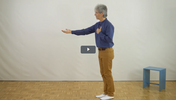
Then in progressing to the movement for Venus, the right arm is lowered to the level of the breast, the hand held open, slightly cupped, receiving, and what is taken in is moved through the heart into the left arm circulating behind (as it does with the Sun movement), transforming all that is heard by the listening hand.
Rudolf Steiner describes Venus as selflessly and silently listening, especially to all that the poet experiences, and in this silent attentive listening, helping to transform all the impressions to word, imaginative, potent and evocative.
In the eurythmic movement for Venus one is as a vessel receiving what is given, and then in moving this through the heart one transforms it in the unseen world behind, to pass it then yet again through the heart and out though the open arm and hand in selfless giving, loving sacrifice.
The inner and outer conjunctions of Venus with the Sun occur 5 times in 8 years, describing a rose form around the earth in time. The organ in the body which is especially related to Venus is the kidney and within these organs are small vessels shaped like roses and are in German medical terminology called ‘Rosen’.
MERCURY : the aspect of egoism
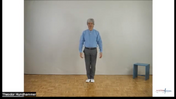
The following movement, that of Mercury, contrasts strongly with the previous one, that of loving sacrifice of Venus. Here the movement goes into the right arm which is raised up, forward diagonally and moved in a circle, radiantly and energetically.
The winged messenger of the gods, Mercury, is called by the Bushmen “The Foot of the Day” as morning star, and as evening star “The Heel of the Night”. His brisk path makes him rightly the god who guides all travellers - as the angel Raphael in the Biblical story of Tobit guided Tobias.
Through his quick dynamic movement the winged messenger unites the worlds of the gods and humankind, restoring to a balanced relationship inner and outer worlds; and this is at the same time a healing, a restoration of breathing. Here one is reminded again of the Tobias story. For the Archangel Raphael helps Tobias heal Sara, and Tobit his father - the one possessed, unable to breath out the evil spirit who held her, the other blind, unable to breathe in the world around.
We find this inner movement of breathing of Mercury active in Goethe’s studies of metamorphosis. When polarities are brought into movement, they remain not as incompatible opposites, rather they are enhanced though this rhythmically intensified movement, raised to something higher than each. This raising up, enhancing, not hardening in our differences but rather breathing between and harmonising, can perhaps enlarge our understanding of the “aspect of egoism”.
MOON : capacity for creation
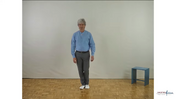
The right arm is brought down from above and forward to meet the left arm brought from behind and below. The right arm rests on the left approximately at the wrists, level with the solar plexus. The hands are closed, contained. This is the movement for the Moon and though it is held, it is full of vital activity, bristling with creative reproductive energy.
The gesture reveals something of the enigmatic mystery of the Moon. For on the one hand the moonshine, as mirror reflecting the light of the cosmos, influencing the sprouting and decaying, the ebb and flow, in reproductive rhythms, the gateway of both birth and death, and on the other hand the hidden concealed mystery behind the shine. What is behind the mirror?
Physically the organs related to the Moon are both the organs of reproduction and brain. Organic reproduction is only an aspect of reproduction; thinking is a metamorphosis of this activity. The brain could be described as a mirror, a mirror for the world’s thoughts.
Rudolf Steiner describes the Moon as continually reproducing itself, “It does not rest. It is continually condensing matter, pressing it together and then splitting, spitting it out”.
This inner capacity for reproduction can perhaps now throw some light on the given movement for the Moon. The one arm resting, pressing, the other carrying - the two held, not in inertia, but in enormous tension, creative potentiality.
MARS : aggressive element
Now both arms are raised up, parallel, with the hands curled inwards retentively. The arms are then lowered, bringing what is above down bringing the heavens to meet the earth, and then up again raising the earth to the heavens. The movement is dynamic, pulsed through with a contained molten strength, aggressive.
The planetary movements of Mars are irregular too, as is his fiery light. He charges forward, then loops and retrogrades. Then seeming to stand still he suddenly charges off again, fast and furious. These irregularities of movement were deeply shocking to the Greeks when they first began to observe them. Geminus of Rhodes wrote of this: “Only a drunkard stands still, staggers backwards, totters, then lurches forward again on his senseless way. How can it be that a god behaves like a drunkard?”
Rudolf Steiner describes Mars as inspiring with delight all speech. One only need think of a young child cheerily nattering on about this and that without any seeming “logic” to recognize the insider of the delight of speech in itself. Those timid in discussion groups will recognize the aggressive capacity needed to get a ‘word in edgewise’ or to speak ‘out’ and ‘to speak up’.
This inner movement requires great mastery, for it has the power to work constructively or destructively, as we all know - like the iron that must be forged in the furnace and hammered on the anvil to become a tool.
JUPITER : activity arising out of wisdom
Often one has the experience of a knotty problem which tugs at one this way and that. After ‘sleeping on it’ the problem is somehow solved or dissolved; the essential points seem clear, a path of activity evident; something has moved. This is the working of Jupiter, for he brings our thinking into movement, he helps us take wisdom into ourselves.
The eurythmic moment given for this planet holds the left arm still, (heart side) with arm and hand bent slightly inwards towards the solar plexus. Around this still contained center the right arm revolves. The hand is open and receptive; the circular movement rising and falling, alternatively going out and returning.
From the forces of Jupiter the liver is formed. Most of the processes of this organ take place during the night. Its forces, nutritional and incarnating, bring us each morning regenerated with the fire of will to begin the new day.
The eurythmic movement of Jupiter is described as the activity arising out of wisdom - a restful centre around which one moves, encircles, surrounds, and listens to all points of view, maintaining the centre while keeping in movement, transforming through movement.
SATURN : deep contemplation
The last movement, that of Saturn, brings the two arms together, laying the open right hand over the left on the curve of the forehead. Then the arms are moved slowly down to the solar plexus and up again to the forehead in long, slow, smooth, even movements like the visor of a helmet, deeply contemplative in mood.
Saturn is the farthest planet, beyond his threshold one passes into the cosmos. In his slow measured step, his long rhythms, he is the guardian of all events from the beginnings of the earth’s history. He holds time in his hands.
In that Saturn bears the memory of the germ of our beginnings, so too he awakens in us the capacity for taking hold of the form we have evolving through time and the stages of the earth. He awakens in us the movements for uprightness. We are not just upright by virtue of our skeleton, but through his activity in us, through which we raise ourselves up out of the horizontal plane of the animals into the vertical, standing between heaven and earth.
The eurythmic movement for Saturn is entirely upright and expresses the human being turned in on himself, encompassing all that has been, deeply pondering, deeply contemplative.
References
Rudolf Steiner : Eurythmy as Visible Speech, GA 279, Lecture 10.
Rudolf Steiner : The Spiritual Individualities of the Planets, GA 228, July 27,1923
Glenda Monasch : The Planetary Movements in Eurythmy, The Golden Blade 1988 - UK anthroposophical Journal